
How to Strengthen Your Supply Chain in Life Sciences
Supply chain disruption in pharmaceutical and life sciences organizations is no longer a rare exception. It is a recurring operational challenge that affects drug availability, regulatory standing, and commercial performance. The organizations that weather disruption best are not the ones with the most elaborate contingency plans. They are the ones that built resilience into their supply chain architecture before disruption arrived.
At Readiness Consulting Group, supply chain optimization is one of our four core service lines. We work with pharmaceutical manufacturers, contract development and manufacturing organizations, and biotech companies to identify structural vulnerabilities, strengthen supplier relationships, and build the operational systems that allow a regulated supply chain to perform consistently under pressure.
Supplier Qualification and Risk Mapping
The foundation of a resilient pharmaceutical supply chain is a clear, current understanding of supplier risk. Many organizations have supplier qualification processes in place but lack the discipline to maintain them. Approved supplier lists fall out of date. Risk ratings are assigned at qualification and never reassessed. Single-source dependencies persist because no one has had the time or mandate to address them.
A structured supplier risk mapping exercise identifies where the supply chain is most exposed, which gaps require immediate remediation, and which risks can be managed through enhanced monitoring. The output is actionable. It gives procurement, quality, and operations leadership a shared picture of supply risk they can plan against.
GMP-Compliant Sourcing and Qualification Programs
In a regulated environment, supply chain decisions are not purely commercial. Every material, component, and service that touches a regulated product is subject to GMP requirements, and every supplier relationship is a potential inspection finding. Organizations that approach supplier qualification as a compliance exercise rather than a strategic one tend to build fragile supply chains. The better approach is to embed GMP requirements into sourcing criteria, qualification protocols, and ongoing supplier performance management so that compliance and supply continuity reinforce each other.
Distribution Network Design and Readiness
Getting a pharmaceutical product from manufacturing to patient requires a distribution network that is not only operationally capable but inspection-ready. Temperature control, chain of custody, serialization, and third-party logistics qualification are all areas where gaps can emerge as volume scales or as regulatory expectations evolve. Distribution readiness assessments help organizations identify where their network is capable today and where investment is needed to support launch volumes, new geographies, or updated regulatory requirements.
Building Operational Discipline
Resilience is not a project deliverable. It is a capability that a supply chain organization builds and maintains over time. That means standard operating procedures that are followed, not filed. It means supplier performance metrics that are reviewed regularly and acted on. It means a culture in which supply chain professionals escalate early rather than absorbing risk quietly.
The organizations that call us after a supply disruption almost always share a common pattern: they had systems that worked in normal conditions and had not been stress-tested. Strengthening your supply chain in life sciences is not about adding more layers of contingency planning. It is about making sure the foundational systems are sound enough to perform when conditions are not normal.
For more on how Readiness Consulting Group supports supply chain optimization in pharmaceutical and life sciences organizations, visit our Supply Chain service page.
3. Risk Management and Resilience
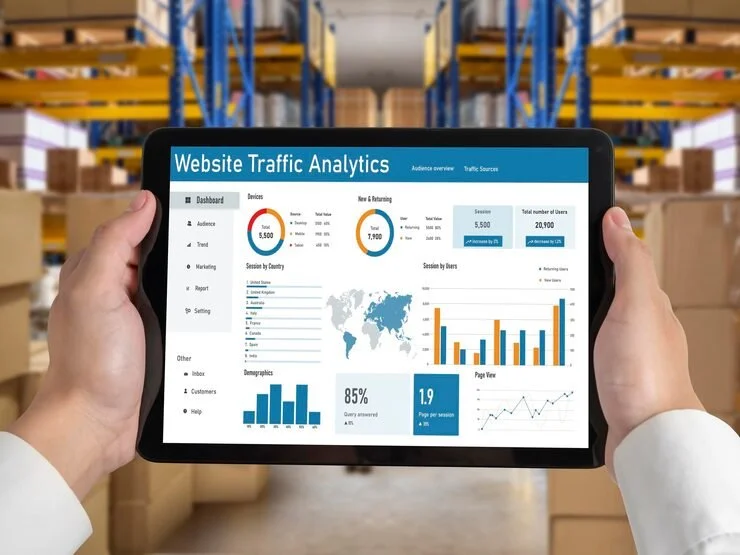
Global supply chains are increasingly exposed to risks — from raw material shortages to geopolitical tensions and natural disasters. Data analytics helps companies assess risk exposure by analyzing supplier locations, transportation routes, and external events.
By modeling “what-if” scenarios, organizations can design contingency plans and strengthen supply chain resilience against disruptions.
4. Cost Optimization
Analytics tools help identify inefficiencies such as excess inventory, delayed shipments, or underperforming suppliers. By using cost data, performance metrics, and demand patterns, companies can make smarter procurement and logistics decisions that drive savings without compromising quality.
5. Sustainability and Compliance
Many organizations are now using analytics to track environmental performance, carbon emissions, and ethical sourcing. This helps align supply chain operations with corporate sustainability goals and global compliance standards.
Through data transparency, companies can also demonstrate accountability to regulators and customers, strengthening brand trust.
From Data to Decisions: The Role of Consulting Expertise
While data and analytics tools are powerful, the real challenge lies in implementation. Organizations often struggle to integrate siloed systems, manage data quality, and translate insights into measurable outcomes.
This is where Readiness Consulting Group adds value. Our experts design and implement data-driven supply chain optimization frameworks that connect technology with business strategy. We help clients:
Define key performance indicators (KPIs) aligned with business goals
Integrate analytics tools into existing supply chain systems
Establish governance and reporting structures for better decision-making
Build capabilities for predictive planning and risk management
Our approach ensures that data is not just collected — it is converted into actionable intelligence that enhances operational readiness and business resilience.
The Future of Supply Chain Optimization
The next generation of supply chains will be autonomous, intelligent, and self-optimizing. With the integration of artificial intelligence (AI), Internet of Things (IoT), and advanced analytics, companies will gain the ability to predict demand, adjust production automatically, and reroute shipments in response to real-time disruptions.
Those who invest in data-driven supply chain management today will be the ones who lead tomorrow — achieving faster response times, lower costs, and stronger competitive advantage.
Conclusion
Supply chain optimization is no longer about cutting costs — it’s about creating a smarter, connected, and more resilient network that adapts to constant change. By leveraging data and analytics, businesses can transform their supply chains into engines of efficiency, agility, and growth.
At Readiness Consulting Group, we help organizations unlock this potential through customized strategies that combine technology, insight, and execution.
Empower your supply chain with data-driven intelligence — and be ready for what’s next.
